Pakistan’s electric vehicle (EV) market is expanding rapidly — and now a major convenience has been introduced for EV owners.
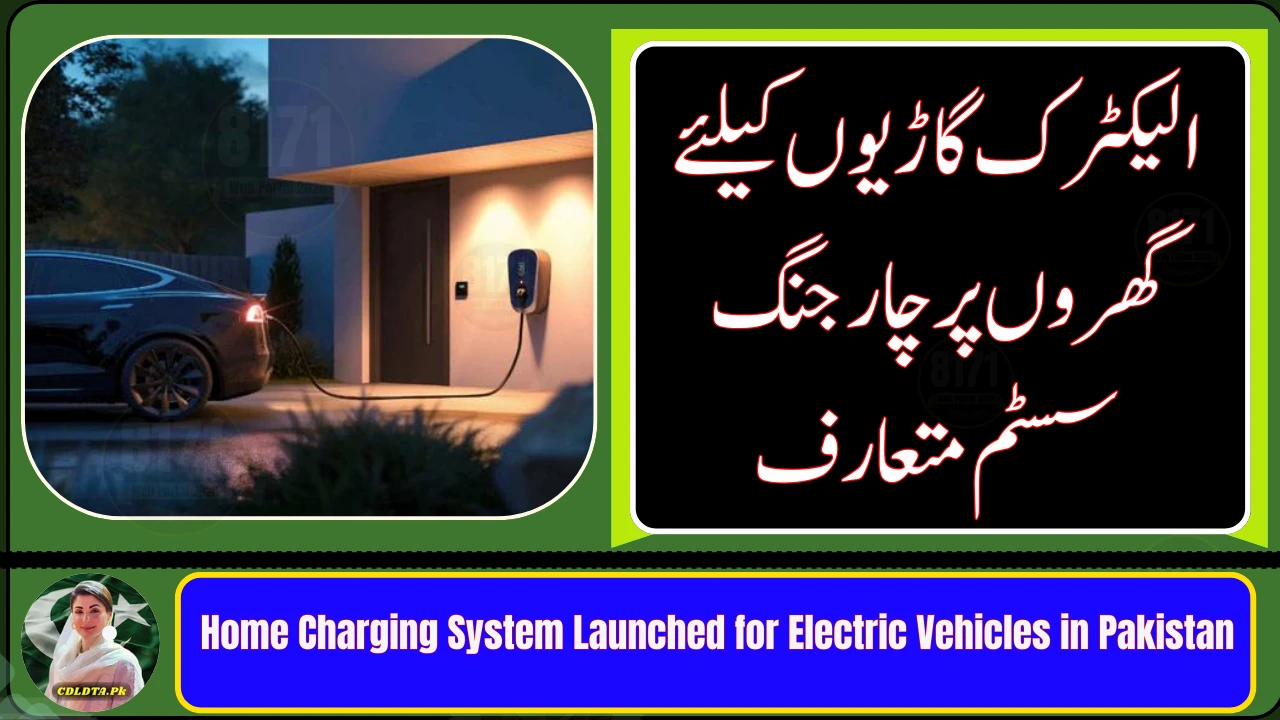
A home-based electric vehicle charging system has officially been launched, allowing car owners to install EV chargers at their residences instead of relying solely on commercial charging stations.
 Xiaomi 17 Ultra Global Launch Confirmed – Pakistan Release Expected Soon
 Meta to Shut Down Messenger App Completely – Deadline Announced
The announcement was made by Malik Khuda Bakhsh, Convener of the Energy Committee at the Federation of Pakistan Chambers of Commerce and Industry (FPCCI).
Over 76,000 Electric Vehicles Already on Roads
According to officials:
-
More than 76,000 electric vehicles are currently operating in Pakistan
-
Around 50,000 of them are electric motorcycles
-
Demand for EVs is steadily increasing
With this growing adoption, home charging demand has also increased significantly.
Consumers want:
-
Convenience
-
Lower charging costs
-
No waiting time at public stations
What Is the Cost of the Home Charging System?
The newly introduced home EV charging system will be available between:
-
Rs. 150,000 to Rs. 250,000
It will be offered:
-
On full cash payment
-
On installment plans
The charging system being introduced is reportedly based on British technology, with official distribution rights secured in Pakistan.
Xiaomi 17 Ultra Global Launch Confirmed – Pakistan Release Expected SoonMeta to Shut Down Messenger App Completely – Deadline Announced Gold Price Jumps by Rs. 7,100 Per Tola – Fresh Record in Pakistan
How Will the Charging Cost Be Calculated?
Charging cost depends on electricity usage. The general energy cost formula is:
ElectricityCost=Units(kWh)×PerUnitPriceElectricity Cost = Units (kWh) × Per Unit Price
For example:
-
If an EV consumes 40 kWh for a full charge
-
And electricity rate is Rs. 50 per unit
The total charging cost would be approximately Rs. 2,000.
This is still significantly cheaper compared to petrol expenses for similar travel distance.
Government’s EV Policy – 30% Target in 5 Years
According to policy direction:
-
The government aims for 30% of vehicles to be electric within the next five years
-
Local manufacturing of EVs is accelerating
-
Domestic EV production is expected to begin in 2026
This reflects a long-term strategy to:
-
Reduce fuel imports
-
Lower environmental pollution
-
Promote green mobility
-
Support sustainable energy use
Xiaomi 17 Ultra Global Launch Confirmed – Pakistan Release Expected SoonMeta to Shut Down Messenger App Completely – Deadline AnnouncedGold Price Jumps by Rs. 7,100 Per Tola – Fresh Record in Pakistan POCO X8 Pro Max – Full Leaks, Specs & Expected Global Launch Details
 Electricity Prices Set to Rise Again – Government Prepares Fresh Per Unit Increase
 How to Get Rs. 13,000 in Ramadan 2026? Full Guide for Eligible Families